⛵ SpaceX Joins Drone Race

Good Morning, Early Adopters!
A same structural shift appears: intelligence is moving from abstraction into infrastructure.

SpaceX Enters Pentagon Drone Swarm Race
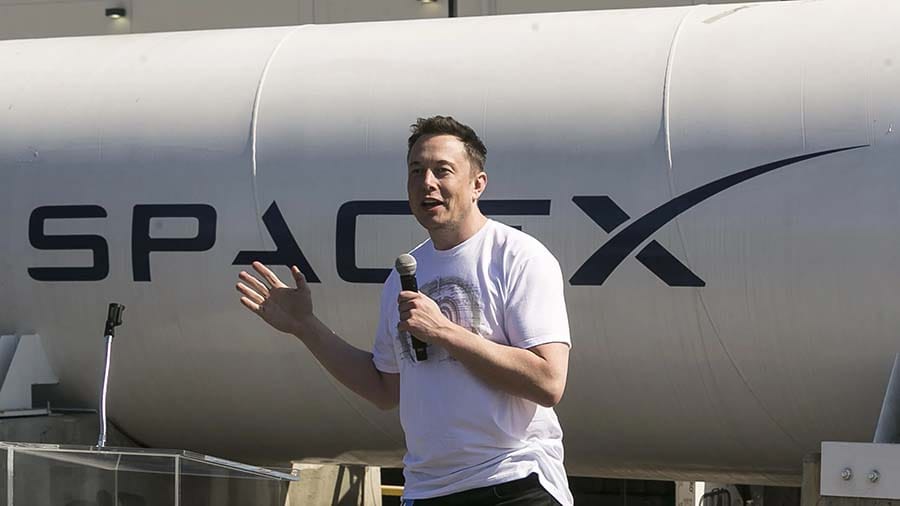
TL;DR: SpaceX and its AI arm xAI are reportedly competing in a secret $100 million Pentagon challenge to develop voice-controlled autonomous drone swarming technology. The six-month contest aims to convert spoken commands into coordinated multi-drone operations, accelerating U.S. military drone capabilities.
TOGETHER WITH DELVE
Your Copilot for Compliance is Here
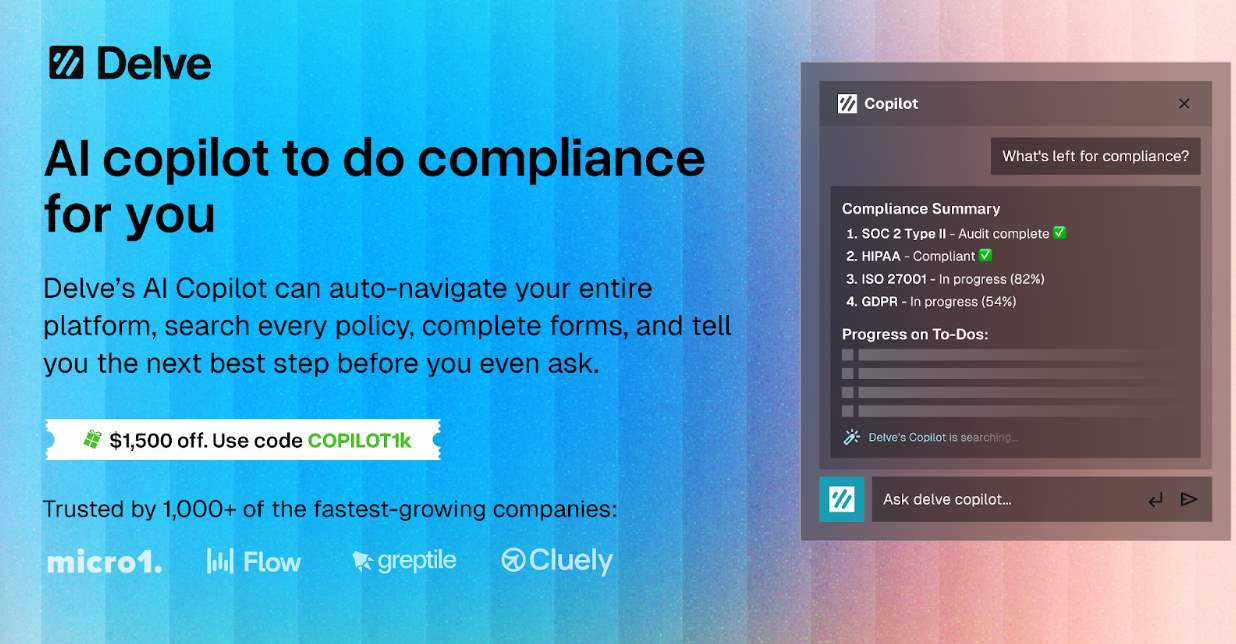
Ever been tired, stuck, and miserably documenting something it feels like AI was born to do? AI finally delivered.
Delve's AI copilot understands your entire tech stack and tells you exactly what to do next. Just ask it "What's my next step? Take me there" and watch Copilot read your screen and start doing tasks for you. Congrats, you've found the light at the end of the tunnel. Join Wisprflow, 11x, Bland, and more in the future of compliance with Delve.
Book a demo here to get $1,500 off compliance and see Copilot in action.
Burry Questions AI Infra

TL;DR: The Big Short’s Michael Burry sees the upcoming DeepSeek V4 as evidence that the AI infrastructure trade may be overheated. If a 1T-parameter model with a 1M-token context can be built at a fraction of Western costs, then cutting-edge AI is becoming cheaper and more interchangeable. That weakens the “permanent GPU shortage” narrative. For NVIDIA and other data center plays, this could signal downside risk rather than another breakout.
Time Crystals Could Reinvent the Clock

TL;DR: A new theoretical study led by Abdus Salam International Centre suggests time crystals, exotic quantum states that oscillate on their own, could outperform today’s laser-driven atomic clocks, especially for ultra-short time measurements. Unlike current optical clocks that rely on complex, energy-hungry laser systems, time crystals generate a self-sustaining rhythm that may resist precision loss. It’s still purely mathematical for now, but if experimentally realized, this could reshape quantum timing for GPS, secure communications, and fundamental physics.
Human Exposome Project

TL;DR: A global coalition is launching the Human Exposome Project to map the lifelong environmental and chemical exposures that may account for up to 80% of disease risk, far beyond what genetics alone explains. Backed by governments, UNESCO, INGSA, and expanding regional networks from Africa to Europe and Asia, the initiative uses AI, sensors, metabolomics, and big data to shift medicine toward real-world exposure tracking. What began as a bold vision in 2025 is now moving into implementation, positioning exposomics as a potential public health transformation on the scale of the Human Genome Project.
FTC Launches Antitrust Probe Into Microsoft

TL;DR: The FTC has issued civil investigative demands to several of Microsoft’s competitors as part of a broad antitrust probe into its conduct in the cloud and enterprise software markets. At the center of the investigation is whether Microsoft uses licensing terms and pricing structures to make running its software on rival cloud platforms more expensive. The inquiry also extends to AI services, cybersecurity, and identity management software.
Spinal Cord Lab Breakthrough
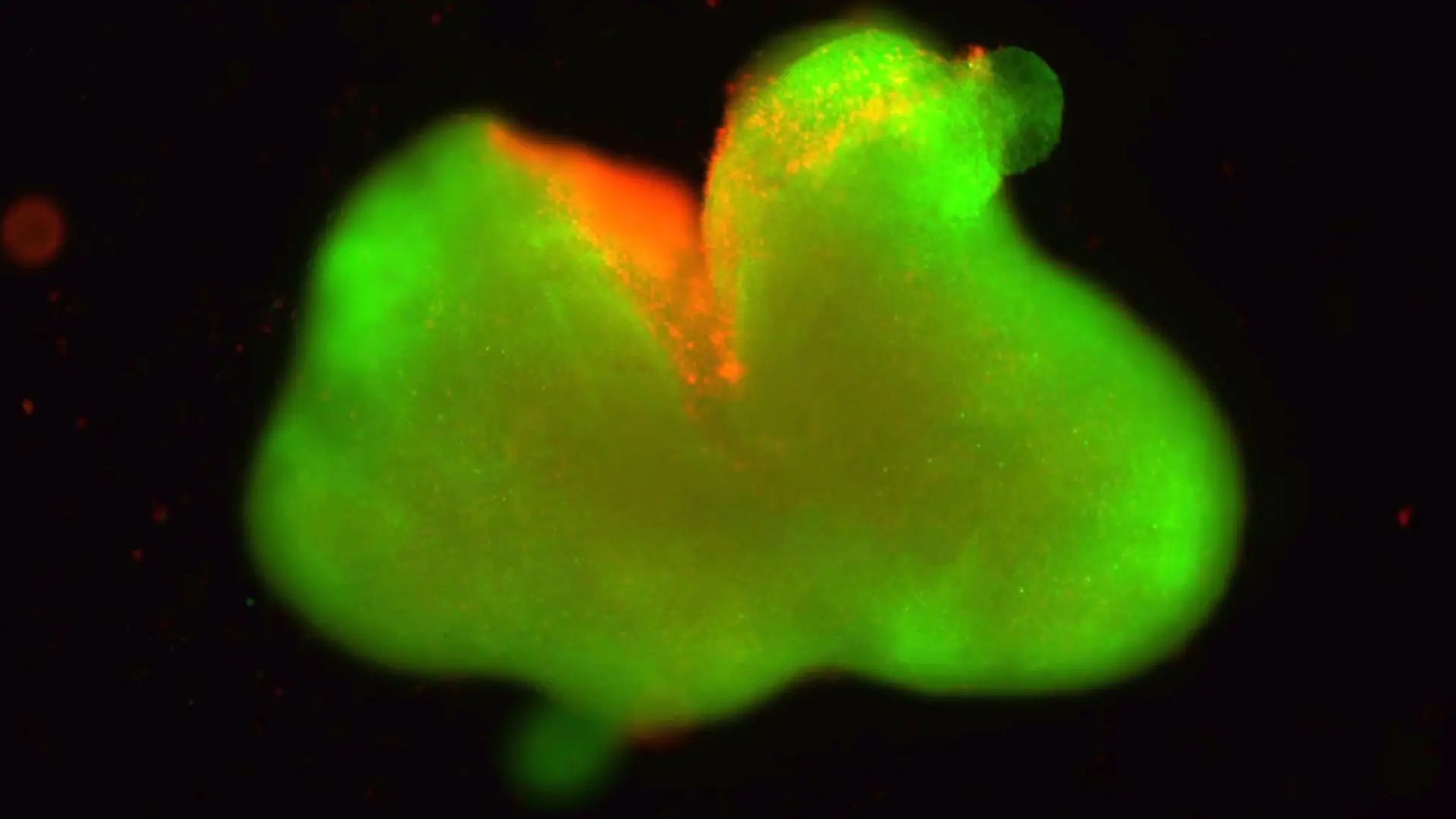
TL;DR: Scientists at Northwestern University created the most advanced human spinal cord organoids to date, then injured them to mimic real traumatic damage and tested a “dancing molecule” therapy that previously restored movement in animals. The lab-grown tissue developed realistic inflammation and glial scarring, and after treatment showed reduced scar formation and renewed nerve growth. While still preclinical, the results suggest regenerative therapies for paralysis may soon be tested directly on human tissue models before moving into trials.
Germany Moves to Ban Social Media for Under-16s

TL;DR: Germany is advancing strict new legislation that would prohibit children under 16 from using social media platforms. At the same time, UK Prime Minister Keir Starmer says similar rules could be introduced within months, and the UK plans to bring AI chatbot companies under its Online Safety framework for minors. Europe is rapidly consolidating around a tougher regulatory stance on youth digital access.
Nexo Returns to the US After Regulatory Clash
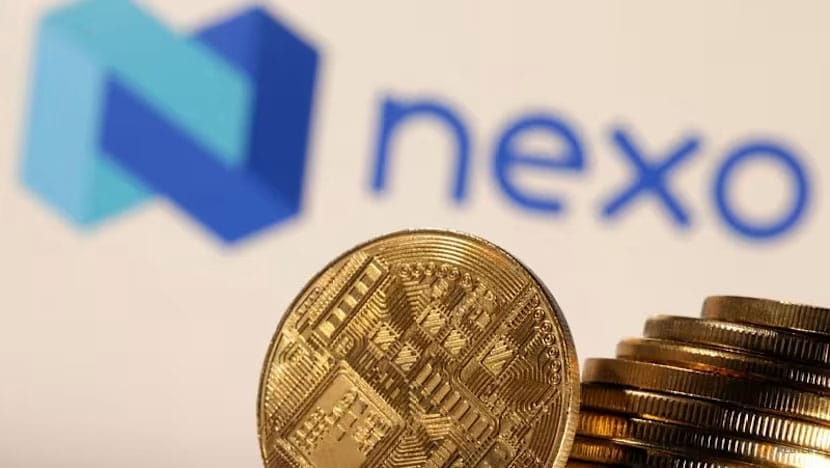
TL;DR: Crypto lender Nexo has re-entered the U.S. market three years after exiting and paying a $45 million fine to settle SEC charges over an unregistered lending product. Now partnering with Bakkt, the company says its new crypto-backed loans and yield products are structured differently and delivered through licensed U.S. entities. The comeback comes amid a softer regulatory climate under Trump, whose family has had visible ties to Nexo, raising renewed questions about crypto policy, compliance, and political proximity.
READ MORE
Let the Future Come to Your Inbox
Stay ahead without drowning in information. We turn the most important signals across AI, tech, marketing, and future products into 5-minute reads you can actually finish.
- AI Secret uncovers what really matters in AI
- Bay Area Letters decodes tech and business shifts from Silicon Valley
- Robotics Herald tracks how robots move from labs into daily life
- Marketing Secret breaks down real growth and go-to-market playbooks
- The Hardwire explores hardware, consumer tech, and what’s coming next
- Oncely helps you discover the next wave of AI products and launches
TOGETHER WITH US
AI Secret Media Group is the world’s #1 AI & Tech Newsletter Group, reaching over 2 million leaders across the global innovation ecosystem, from OpenAI, Anthropic, Google, and Microsoft to top AI labs, VCs, and fast-growing startups.
We've helped promote over 500 Tech Brands. Will yours be the next?
Email our co-founder Mark directly at [email protected] if the button fails.