⛵ Elevator Moment

Good Morning, Early Adopters!
Control is shifting toward the infrastructure layers that move, power, and execute AI at scale, compressing entire value chains into a few decisive moves.

SPACE
Morgan Stanley Thinks Space Is Getting Its Elevator Moment
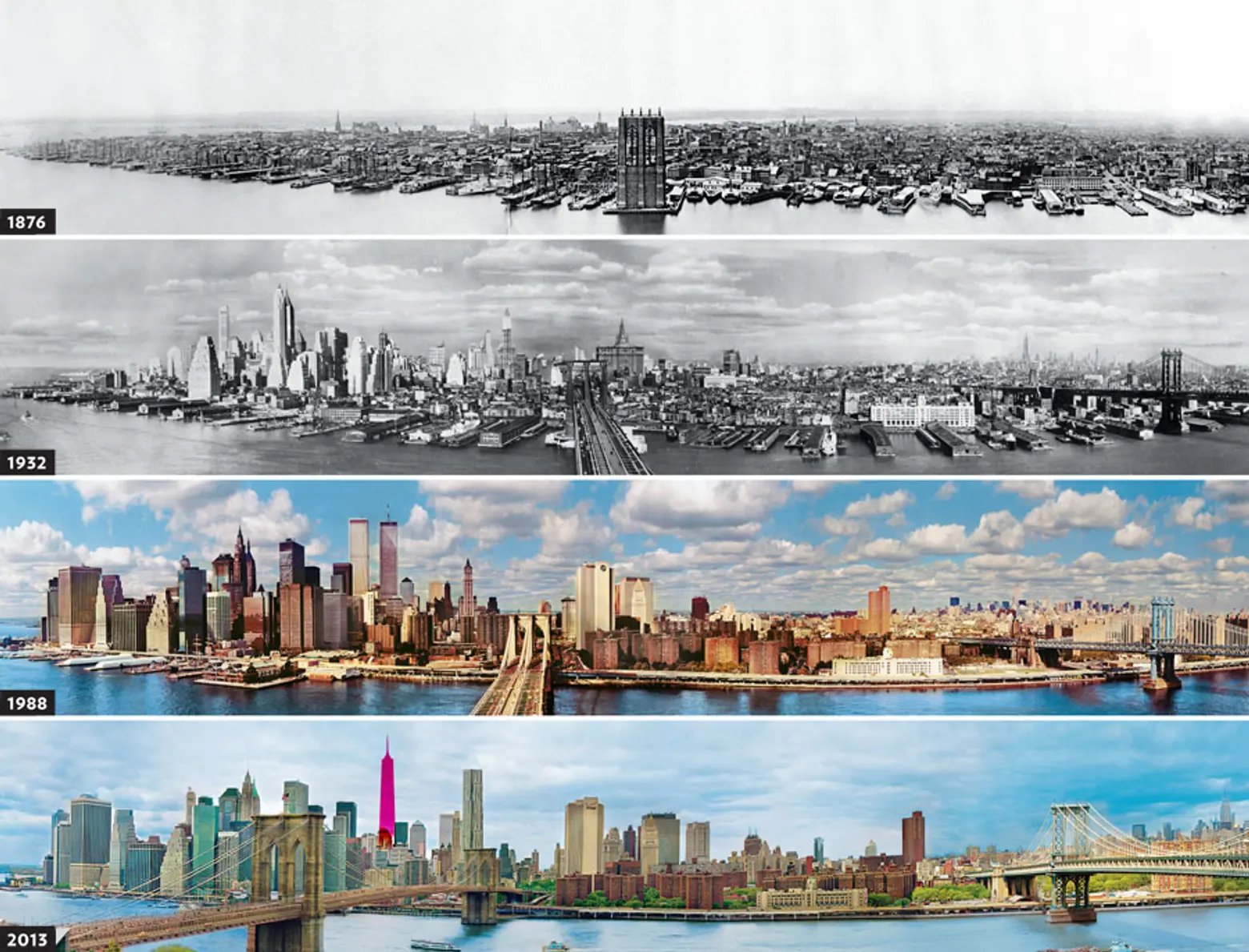
Morgan Stanley’s space team keeps circling back to a simple shift: access is getting cheaper and more routine, and SpaceX is the company forcing everyone to update their assumptions. The cleanest line from their coverage is the “elevator” framing. Adam Jonas has argued that reusable rockets function like an elevator to low Earth orbit, the enabling layer that makes entirely new business models practical, not just heroic missions.
That framing matters because elevators didn’t just make buildings taller, they rewired New York’s economics, density, and who could profit from vertical space. Morgan Stanley is effectively saying orbit is about to get its own zoning boom. Their estimate is the global space industry was roughly $350B and could exceed $1T by 2040, with a lot of the near-term gravity coming from satellite broadband and related services.
If this view keeps proving out, the competitive question shifts from “can you launch” to “can you operate at scale” across networks, terminals, spectrum, and regulation. SpaceX then looks less like a rocket maker and more like the first landlord of a new layer of infrastructure. The risk is concentration: one dominant elevator can quietly set tolls for everyone building above street level.
TOGETHER WITH MARKETING SECRET
The Growth Playbook Top Marketers Actually Read

Marketing Secret is a weekly newsletter breaking down how today’s fastest-growing AI and tech brands actually win users, attention, and revenue.
If you want clearer thinking, sharper execution, and ideas you can apply this week, Marketing Secret is worth your inbox.
CHIPS
Nvidia Adds a Twenty Billion Dollar Push to Inference Control
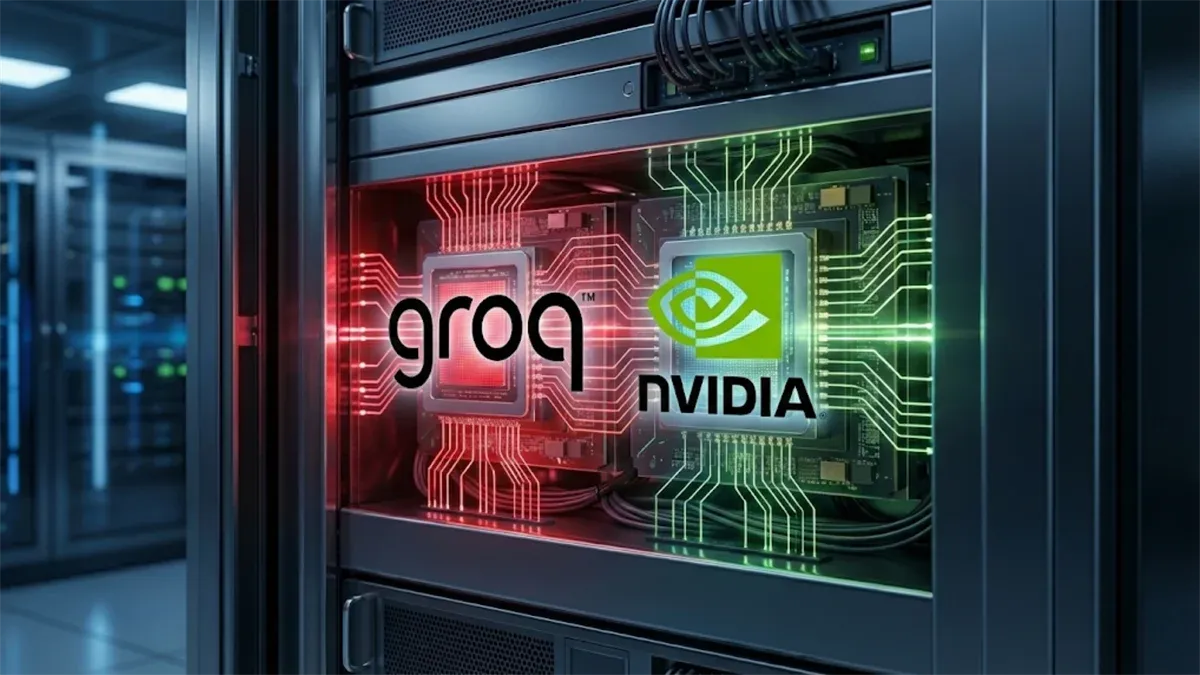
What just happened is being framed as a license, but the scale tells a different story. Nvidia agreed to license inference chip technology from Groq in a deal reportedly valued around $20 billion, while bringing Groq’s founder and senior leadership into Nvidia. Groq stays independent on paper, with its cloud business intact. In reality, Nvidia just paid acquisition level money to internalize one of the most credible inference teams in the market, without calling it an acquisition.
The valuation is the signal. Groq was last valued at $6.9 billion after a $750 million round. A $20 billion implied price is not about revenue. It is about timing. Inference is where AI spend is shifting, where HBM scarcity bites hardest, and where Nvidia faces real architectural competition. Groq’s SRAM based design bypasses the memory bottleneck and delivers deterministic low latency. That capability, at this price, is about removing uncertainty in Nvidia’s weakest flank.
Step back and this looks like rocket fuel for Nvidia’s full stack strategy. Training dominance stays intact. Inference talent, architecture, and credibility get pulled inside at premium speed. The direction is clear. Nvidia is not waiting for the inference market to fragment. It is buying acceleration, and paying what acceleration costs.
AI
SoftBank Moves Deeper Into the AI Stack
SoftBank agreed to buy DigitalBridge in a deal valued around four billion dollars. DigitalBridge is not a flashy AI company. It owns and finances the physical layer that AI runs on. Data centers. Fiber. Cell towers. Edge facilities. The firm manages roughly 108 billion dollars in assets and will keep operating as a separate platform under its current CEO. This feels different from past SoftBank bets because it is not about software optionality. It is about locking in supply.
This matters because AI growth is now gated by power, land, and connectivity, not models. Training and inference clusters are pushing utilities and local grids to the limit. A single large AI campus can require hundreds of megawatts. The Stargate effort alone targets roughly seven gigawatts across several US states. By owning infrastructure investors like DigitalBridge, SoftBank shortens the distance between capital, compute demand, and physical deployment. That changes who gets capacity first when shortages hit.
The direction is clear. SoftBank is assembling a vertically aligned AI stack around compute, power, and land. Software partners like OpenAI and Oracle plug into that spine. This increases resilience but concentrates control. Expect more competition for grid access, longer permitting cycles, and a tighter coupling between AI ambition and energy reality.
BAY AREA MEMOS
- Dragonfly predicts Big Tech and banks will deepen crypto adoption in 2026, while corporate L1s fail to challenge Ethereum and Solana.
- AI drug developer Insilico Medicine raised US$293 million in a Hong Kong IPO to fund clinical programs and generative AI drug discovery.
- Nvidia has completed a $5 billion investment in Intel, buying about 215 million shares under a deal announced in September.
- Octopus Energy plans to spin off its AI-powered software arm Kraken as a standalone company valued at $8.65 billion following a major funding round.
- Amazon has halted its drone delivery plans in Italy, citing broader business regulatory constraints despite progress with aviation regulators.
TOGETHER WITH US
AI Secret Media Group is the world’s #1 AI & Tech Newsletter Group, reaching over 2 million leaders across the global innovation ecosystem, from OpenAI, Anthropic, Google, and Microsoft to top AI labs, VCs, and fast-growing startups.
We operate the industry’s most influential portfolio of newsletters, each shaping a different frontier of the AI & Tech revolution:
Be Smarter in 5 Minutes
- AI: AI Secret
- Tech & Business: Bay Area Letters
- Marketing: Marketing Secret
Discover the Future Products
- AI Launchpad: Oncely
- Robotics: Robotics Herald
- Hardwares: The Hardwire
We've helped promote over 500 Tech Brands. Will yours be the next?
Email our co-founder Mark directly at [email protected] if the button fails.