⛵ Humanoids Forecast 2026

Good Morning, Early Adopters!
The next wave of growth won’t be driven by novelty alone, but by who controls deployment, cost, and access at scale.

FORECAST
Humanoids Forecast to Explode 700% in 2026
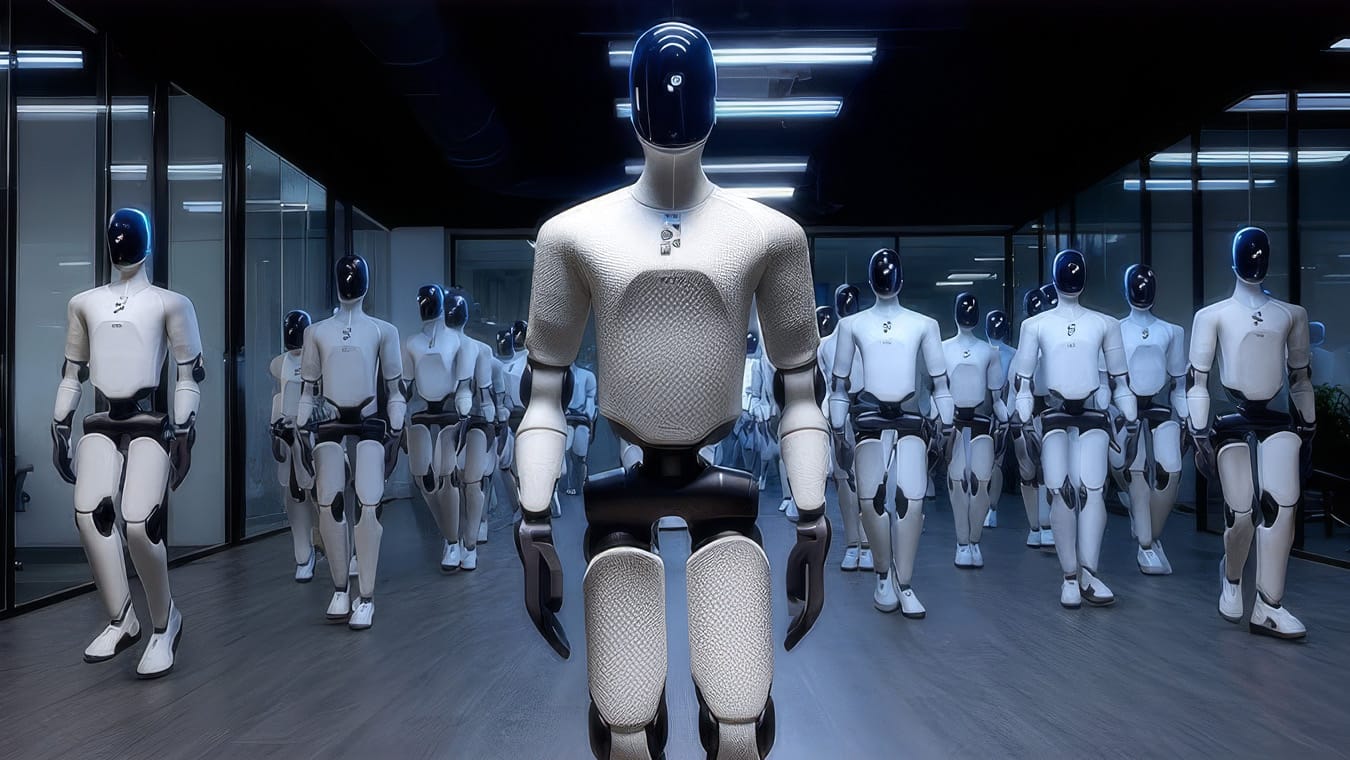
👀 What’s happening: TrendForce predicts global humanoid robot shipments will soar more than 700% in 2026, breaking the 50,000-unit mark for the first time. The report calls it the “commercialization inflection point,” as factories across Asia begin repurposing production lines for actuators, servo systems, and robot skeletons. After years of demos and prototypes, the industry is finally moving from PowerPoints to pallets.
🔥 How this hits reality: This forecast isn’t about hype curves; it’s about supply chains going into overdrive. When unit costs drop, ecosystems form fast: sensors, motors, batteries, and AI modules start standardizing, triggering a flywheel that looks eerily like the early smartphone boom. The humanoid market is shifting from proof-of-concept to mass-manufacturing physics, and the players who can scale — not just show — will own the decade.
⛵ Our take: Robotics just hit its “iPhone moment.” The next 18 months will separate the builders from the dreamers.
TOGETHER WITH CHATTUBE
Chat with Any YouTube Video
ChatTube transforms the way you watch YouTube. It adds real-time AI interaction to every video — instant summaries, multilingual translations, key insights, and answers to any question you ask.
Whether you’re learning, researching, or exploring, ChatTube turns every YouTube video into an interactive, insightful conversation with AI.
Now available on Oncely.com, where you can subscribe with an Exclusive 61% Discount.
SPACE
Rocket Lab Bets the House on Whole-Body Reusability
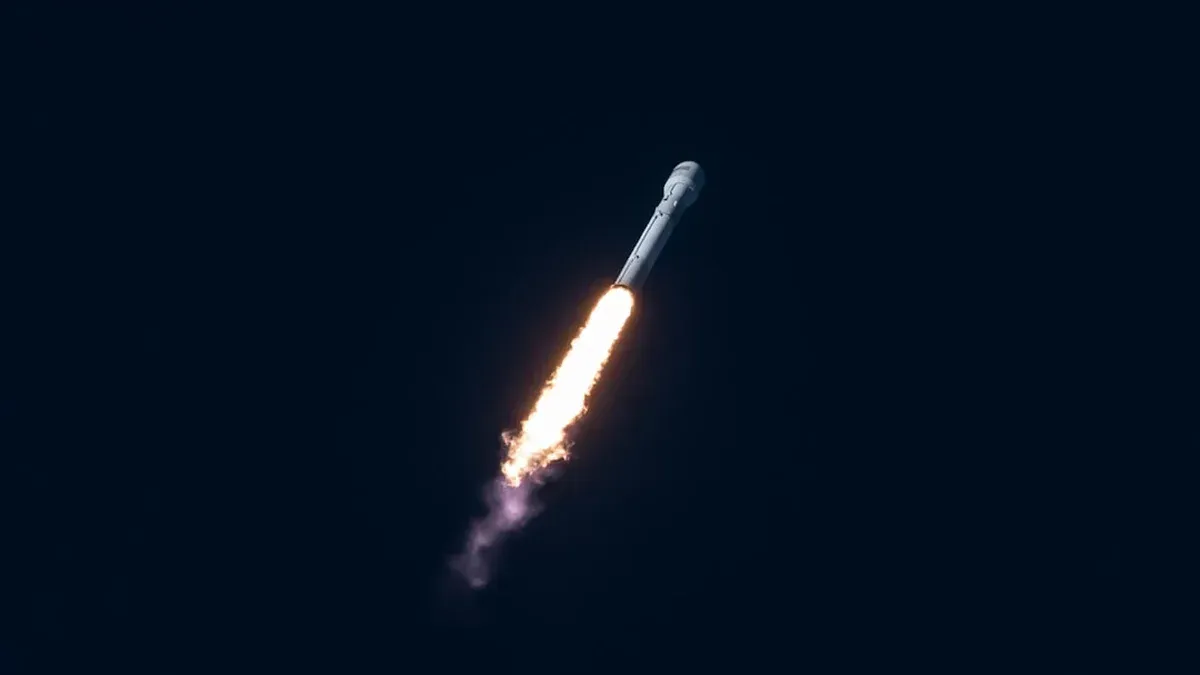
👀 What’s happening: Rocket Lab just cleared flight qualification for “Hungry Hippo,” the reusable fairing for its upcoming Neutron rocket. Unlike SpaceX’s Falcon 9, which sheds and later recovers its booster and fairings in separate parts, Neutron is designed to open mid-flight, release its second stage, then close and return as a single intact vehicle. It’s a bold attempt to move from modular to monolithic reuse. The company now eyes a 2026 debut after years of delays.
🔥 How this hits reality: This “whole-body” reusability could slash refurbish times and launch prep costs, if it works. But Rocket Lab isn’t SpaceX or Blue Origin. It does run on market discipline few aerospace firms can match, with real revenue, recurring contracts, and solid engineering chops. But against SpaceX’s scale and Blue Origin’s billionaire runway, it’s still the lean challenger punching far above its weight. Its ambition to out-engineer SpaceX’s segmented recovery is gutsy, yet proving that physics, heat stress, and cost curves align is a marathon still to run.
⛵ Our take: Rocket Lab isn’t just reusing rockets; it’s trying to rewrite the rulebook of how rockets come home.
BAN
Australia Starts Unplugging Gen Z
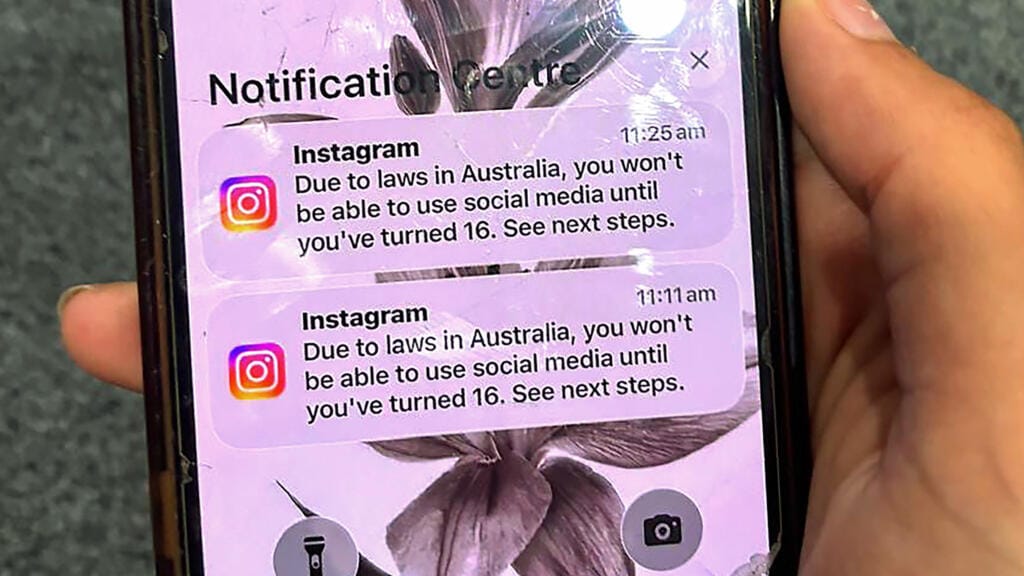
👀 What’s happening: As of today, Australia has become the first country to ban social media for users under 16, ordering ten giants, from TikTok, Instagram, Facebook, YouTube, X, Snapchat, Discord, Twitch, Reddit, to Pinterest to block minors or face A$49.5 million fines. Platforms must deploy facial-age estimation, behavioral inference, and ID verification to detect teen users. Even Musk’s X, after public protest, said it would comply “not by choice.”
🔥 How this hits reality: Governments say it’s about mental health, but the real hit lands on the advertising economy. Under-16s were the foundation of tomorrow’s consumer data graph: the habits, tastes, and loyalty pipelines that power algorithmic marketing. Overnight, Australia’s ban cuts off that feed. Platforms can survive losing teen screen time, but advertisers lose the early behavioral signals that train the system itself. The rest of the world is watching whether a market without teen data still sells.
⛵ Our take: Australia didn’t just ban kids from social media; it banned advertisers from the Australia future.
BAY AREA MEMOS
- Fal raised $140M at a $4.5B valuation, strengthening its position as a key multimodal AI infrastructure provider.
- SpaceX is reportedly targeting a 2026 IPO at a $1.5 trillion valuation, aiming to raise $30 billion in what could be the largest IPO ever, according to Bloomberg.
- Rivian is building an in-vehicle AI assistant with a hybrid edge-cloud design to drive its software and vertical integration strategy.
- Boom is selling gas turbines into data centers, using $300M funding and a $1.25B Crusoe order to fund its supersonic aircraft development.
- NASA and USPS have stopped using Canoo’s EVs, with the bankrupt startup’s promised support failing to keep the vehicles in service.
TOGETHER WITH US
AI Secret Media Group is the world’s #1 AI & Tech Newsletter Group, boasting over 2 million readers from leading companies such as OpenAI, Google, Meta, and Microsoft. Our Newsletter Brands:
- AI: AI Secret
- Tech & Business: Bay Area Letters
- Robotics: Robotics Herald
- Marketing: Marketing Secret
We've helped promote over 500 Tech Brands. Will yours be the next?
Email our co-founder Mark directly at [email protected] if the button fails.